
Damp proof costs at a glance:
- A remedial damp proof course for a flat 5m wall costs from around £1,200 in the UK, including replastering
- The final price depends on the property location and type, access and what extra work is needed
- Not all damp problems need a new DPC, so diagnosis matters just as much as treatment
- Extra costs often include replastering, ventilation improvements, and repairs
Damp problems are one of the most stressful issues a homeowner can face. They can affect the building's condition, disrupt renovation plans, and quickly become costly if the cause is not properly identified. That is why the cost of a damp proof course, or DPC, is only part of the story. Before any treatment starts, it is important to understand what kind of damp you are dealing with, whether a remedial DPC is actually needed, and what extra work may be involved in the job.
If you are planning wider repairs or upgrading an older property, this is also where damp links closely with broader renovation and retrofit decisions. In many homes, problems with moisture, ventilation, insulation and external maintenance overlap.
How much does a DPC cost?
| Property size | Average cost of DPC (excluding labour, removing and replacing plaster, etc.) |
|---|---|
| Single wall | £400 - £700 |
| Three-bedroom terrace | £2,000 - £4,000 |
| Larger property | £4,000+ |
* Howden Insurance, correct at May 2026.
A DPC for a 5m wall costs from £1,200, which includes any associated plasterwork. That is a useful benchmark, but it should be treated as a guide rather than a fixed price. The final cost can vary depending on the property's location and construction, labour, accessibility, and the extent of plastering and making good required afterwards.
This is one reason damp work should always be approached carefully. In many cases, the visible treatment is only part of the bill. The surrounding work can have just as much impact on the quote as the DPC itself.
What is a DPC, and how is it installed?
A DPC is a barrier built into a wall to stop moisture from rising from the ground through bricks or masonry. In modern homes, it is usually installed during construction near the base of the wall. In older properties, a remedial DPC may be retrofitted if the original barrier is missing, damaged, or no longer working properly.
A remedial DPC is typically done by injecting a damp-proofing cream or fluid into holes drilled along the mortar line near the base of the wall. This creates a water-resistant barrier designed to limit rising damp. In many cases, damaged or salt-contaminated plaster is then removed and replaced so the wall can dry out and be finished properly. The exact method can vary depending on the wall construction and the condition of the property.
Types of DPC
The main types of DPC are:
- Physical DPC: A physical barrier, usually installed during the building’s construction, usually made from materials such as plastic, bitumen or slate
- Chemical DPC: A damp-proofing cream or fluid is injected into the wall to create a water-resistant barrier
- Pressure-injected DPC: A variation of chemical damp proofing where the treatment is injected into the wall under pressure, often used in thicker or more difficult wall constructions
- Surface-applied waterproof coatings: Sometimes used alongside damp treatments to help resist moisture on walls or floors
What should a DPC cost quote include?
A quote for a DPC should clearly explain both the diagnosis and the included work, not just provide a single price.
It should usually include:
- The suspected cause of the damp
- The areas requiring treatment
- The type of DPC treatment
- Whether plaster removal is included
- Whether replastering and making good are included
- Any work needed to deal with bridging – when external ground levels are level with or higher than the DPC, allowing moisture to bypass the barrier
- Waste removal and clean-up
- How long is the work expected to take
- Any guarantee or warranty details
- What is excluded from the price
A good quote should make it easy to see whether you are paying only for the DPC itself, or for the full repair needed to leave the wall in good condition afterwards. If plastering, redecorating, or external repairs are excluded, that should be made clear from the start.
This matters because a low headline figure can look attractive at first but may not include the work required to finish the wall properly or address the underlying cause.
Do I definitely need a new DPC?
Damp can have several causes, and not all of them need a new DPC installation. In some cases, the issue may be linked to condensation, poor ventilation, leaking gutters, or bridging across an existing DPC rather than a failed barrier itself.
In older properties with lime render, damp is not always a sign that a new DPC is needed. Because lime is breathable, it is important to check whether moisture is being trapped by later repairs or finishes before deciding on treatment.
See below for more information on DPCs in older homes.
Should I get an independent damp survey?
If you’re advised that you need a new damp proof course, it can be worth getting an independent damp survey first. This gives you a second opinion on the cause of the problem before you commit to treatment, which can be especially helpful if the property is older or the signs of damp are unclear.
In practice, that can save money and help ensure any recommended work is actually the right work for the building.
What other costs might come with damp treatment?
A DPC is rarely the only cost to budget for. Depending on the cause of the problem, you may also need to allow for:
- Replastering internal walls
- Redecorating after the work
- Improving ventilation
- Repairing gutters, downpipes, or pointing
- Lowering external ground levels
- Addressing insulation or condensation issues
If you’re carrying out wider upgrades, damp treatment can overlap with other retrofit work. If the property is already undergoing improvements, it can be more cost-effective to tackle moisture, insulation and ventilation together rather than in isolation.
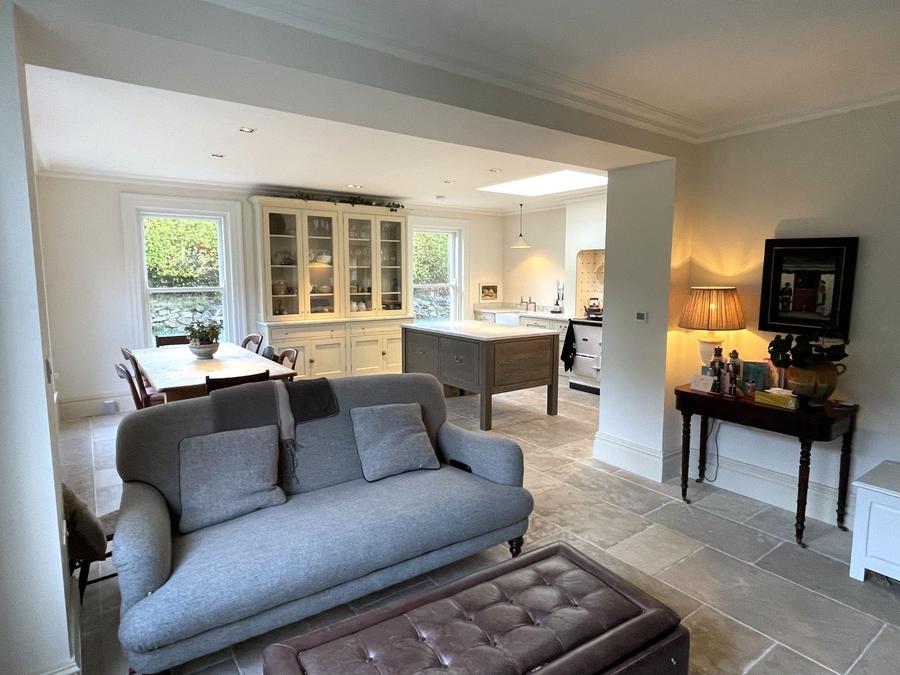
Wrapping DPC work into other renovation or extension work may save costs. FMB member Nickell & Richmond installed a chemical DPC and tanking system to the existing building at the same time as building this kitchen extension.
Is damp proofing different in older properties?
Older homes often require a more careful approach because moisture behaves differently in traditional buildings than in modern construction. This is particularly the case with Victorian and Edwardian homes, and others with solid wall construction. Solid walls, lime mortars, and breathable finishes are designed to allow moisture to evaporate naturally, so problems can arise when that balance is disturbed. In these properties, damp is not always caused by a failed damp proof course, and it is especially important not to jump straight to a remedial product without first understanding how the building is performing as a whole.
One homeowner, for example, chose to strip back non-breathable modern materials instead — removing paint from external brickwork, replacing cement pointing with lime, exposing internal brickwork and replastering the walls with lime. They also removed built-up concrete paths outside that had covered the original air bricks, then improved drainage by adding a gravel channel with larger stones and a drain alongside the wall. Since taking that more breathable approach, they reported no further damp issues.
That is why diagnosis matters so much in period homes. What appears to be rising damp may actually be due to other factors preventing the building from drying out properly. Treating the symptom without addressing the underlying cause can lead to unnecessary work and may not solve the problem in the long term.
A more considered approach can help avoid unnecessary disruption and ensure any damp treatment works with the building rather than against it.
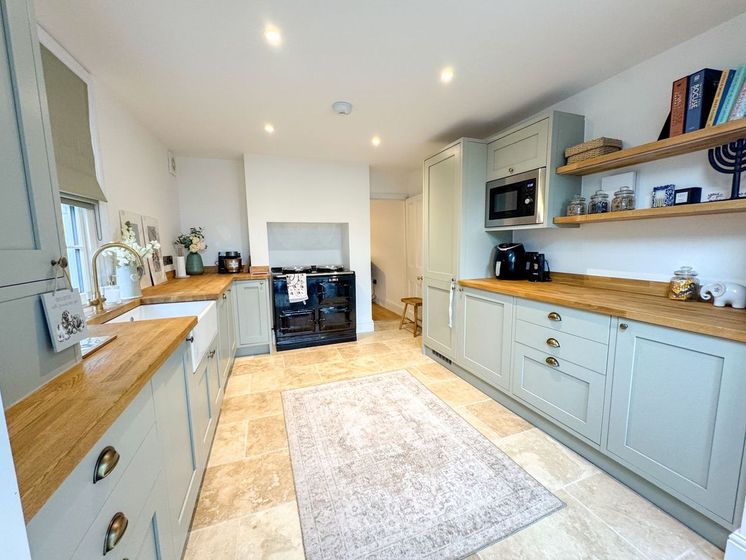
After: Treating damp in period homes
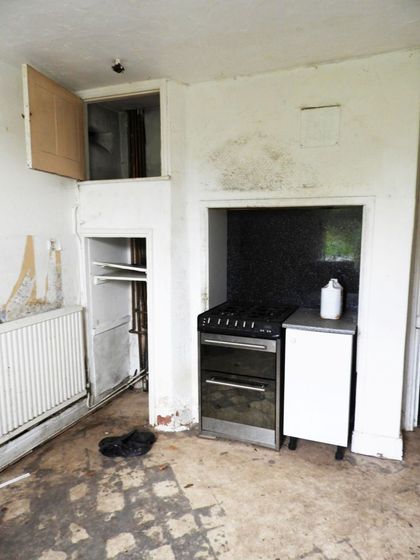
Before: Treating damp in period homes
Do I need planning permission for a DPC?
Installing or replacing an external DPC is unlikely to need planning permission. But permission may be needed if the damp proofing forms part of a larger project that changes the home's appearance or involves structural works. If the property is listed, listed building consent is typically required for significant damp proofing work. If you are in a conservation area, it is worth checking with your local planning authority before work begins.
Even if planning permission is not needed, damp proofing work may still need to comply with building regulations on moisture resistance.
Why use an FMB builder for damp-related work?
Damp is not a problem where guesswork pays. The wrong diagnosis can lead to unnecessary treatment, wasted money, and ongoing damage that has not been addressed. That is why it is worth choosing a builder or specialist you can approach with confidence.
Our members are vetted and inspected before joining, giving you added reassurance when comparing companies for repair and remedial work. If your damp issue is part of a wider renovation or repair project, using a trusted builder with experience in damp can help you consider the building as a whole rather than treating a single symptom in isolation.
Frequently asked questions about DPC
Is damp proofing worth it?
Yes — if the damp has been properly diagnosed and the treatment is the right one for the property. Effective damp proofing can help protect the building fabric, prevent further damage and make the home healthier and more comfortable to live in. The key is not to pay for damp proofing as a catch-all fix, but to make sure the underlying cause of the damp has been identified first.
How much does a damp proof injection cost per metre?
You should expect to pay from around £240 per metre for a damp proof injection. This includes the cost of replastering. However, this depends on your home’s location, property access, and any additional work.
How long does it take to install a remedial DPC?
The timescale depends on the area being treated. The injection itself may be relatively quick, but the full job can take longer once replastering and drying time are included.
How long does a damp proof course last?
A properly installed damp proof course should last for many years, but its performance can be affected if it becomes bridged or if the real cause of the damp has not been addressed.
Can I decorate straight after damp proofing?
Usually not straight away. Walls often need time to dry out after treatment, especially if replastering has been done. Your builder or specialist should advise on when it is safe to redecorate.
Is a DPC disruptive to install?
It can be, especially if internal plaster has to be removed and replaced. The level of disruption depends on how much of the wall is being treated and what making-good work is needed afterwards.