
A house renovation is much easier to manage when you treat it as a plan of action rather than a long list of ideas. Whether you are updating one room, refurbishing a house or preparing for structural work, the key is knowing what to do first, what to budget for, and when to bring in the right builder.
This checklist breaks the process into practical steps, so you can move from early planning to completed work in a smooth, problem-free process.
House renovation checklist
Before you get quotes
- Inspect the property properly
- List essential repairs
- Define your renovation goals
- Decide what can wait
- Research general renovation costs
- Set an initial budget

Before work begins
- Check planning permission and building regulations
- Get drawings or structural advice if needed
- Compare detailed quotes - read our guide to comparing quotes and choosing the best quote
- Choose the right builder
- Plan living arrangements and access
During the renovation
- Follow the right order of works
- Track spending carefully
- Confirm changes in writing
- Deal with repairs before decoration
Before sign-off
- Inspect the completed work
- Check certificates and approvals
- Keep all paperwork, receipts, and warranties together
What should I do first before renovating a house?
Before you request quotes or start choosing finishes, take a step back and assess the property properly. This first stage is about understanding what the house needs, what you want to change, and how big the project really is.
Step 1: Inspect the property properly
Start with the basics and look beyond cosmetic issues.
Check for:
- Damp, leaks, or water damage
- Cracks, movement, or structural concerns
- Roof, guttering, or chimney issues
- Outdated electrics or plumbing
- Rotten timber, damaged render, or worn brickwork
- Signs that windows or insulation need upgrading
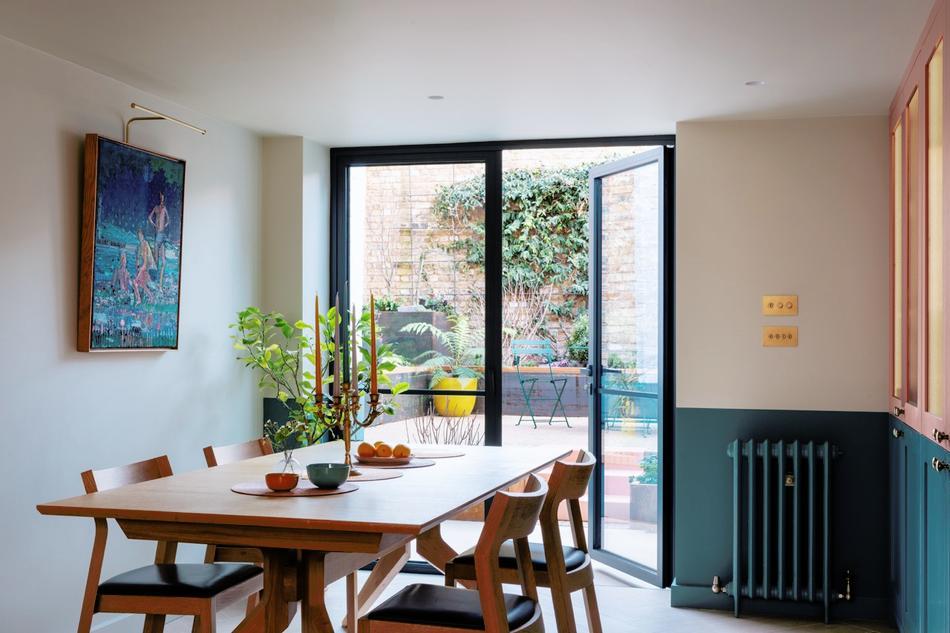
House renovation by London-based FMB member Pencil and Brick Ltd.
Step 2: Decide what you want the renovation to achieve
Be clear about your goal before you spend money.
Ask yourself:
- Do you want more space?
- Are you fixing defects or modernising?
- Do you want to improve the layout and flow?
- Are you renovating to add value, improve comfort, or both?
- Is this a full house renovation or a phased project?
How do I plan a house renovation step by step?
Once you understand your property and your eventual goal, the next step is turning that into a workable plan.
Step 1: Split the project into essentials and extras
Not everything needs to happen at once. Start by separating must-do work from nice-to-have upgrades. Many homeowners naturally prioritise visible improvements such as a new kitchen or bathroom, but it often makes more sense to focus first on the home's fabric. Jobs like improving loft insulation, repairing damaged guttering, addressing damp, or fixing worn brickwork may feel less exciting, but they can prevent bigger problems and protect your budget in the long run.
Your essentials might include:
- Structural repairs
- Rewiring or replumbing
- Fixing damp or roofing issues
- Replacing unsafe or outdated features
Your extras might include:
- New decoration and finishes
- Layout upgrades
- Landscaping or non-urgent exterior improvements
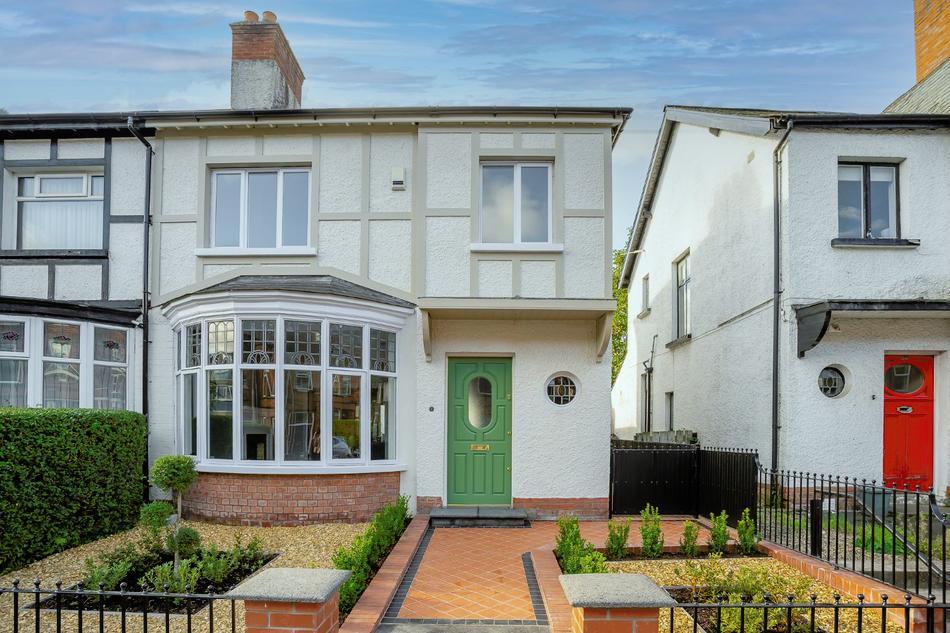
Step 2: Decide whether to renovate all at once or in stages
Decide whether you’re better off doing everything together or if you need to phase the work.
Renovating all at once may work better if:
- The property needs major work
- Structural changes are involved
- You want to avoid repeated disruption
- You’re not living in the house yet
Phasing the work may be better if:
- Your budget needs to be spread out
- The project is mostly cosmetic
- You need to stay living in the property
- Only some rooms need urgent attention
In what order should I renovate my house?
The sequence of work matters. Renovations usually run more smoothly when the biggest, messiest, and most essential jobs come first.
A practical order for most house renovations is:
- Structural repairs and stabilisation
- Roof, windows and weatherproofing
- Plumbing, heating and electrics
- Insulation and ventilation improvements
- Layout changes and wall removals
- Kitchens and bathrooms
- Plastering, flooring and decorating
- Final fittings and finishing touches
What should I budget for in my house renovation?
A renovation budget needs to cover more than the builder’s main quote. One of the biggest mistakes homeowners make is underestimating the smaller costs involved in the job.
A renovation budget needs to cover more than the builder’s main quote. One of the biggest mistakes homeowners make is underestimating the smaller costs around the job, and asking, 'Can I afford this?' often comes down to whether there is enough room in the budget for the full project, not just the visible upgrades.
It is worth being realistic from the start. If buying the house has already stretched your finances, focus first on essential work such as repairs, electrics, roofing or insulation before committing to larger cosmetic improvements. A new kitchen may be exciting, but it should not come at the expense of the home's fabric.
Step 1: Build a full renovation budget
Your budget should include:
- Builder’s quote
- VAT, where applicable
- Architect or designer fees
- Structural engineer fees
- Planning or building control costs
- Skip hire and waste removal
- Temporary living arrangements, if needed
- Decorating and finishing costs
- A contingency fund of 10% to 20%
That contingency is especially important in older homes, where hidden issues such as damp, rotting timber, or outdated wiring are more likely to arise once work begins. A good rule of thumb is that if the budget only works in the best-case scenario, it probably is not realistic enough.
Step 2: Sense-check major project costs
If your renovation includes larger building work, it helps to budget by project type rather than treating the whole job as one number.
Common renovation costs may include:
- Extensions
- Loft conversions
- New kitchens
- New bathrooms
- Garage conversions
- Structural wall removal
- External repairs such as house render, removing pebbledash, or repointing bricks

Do I need planning permission before renovating?
Not every house renovation needs planning permission, but many projects still require some form of approval, so this is an important early checkpoint. In general, you are less likely to need planning permission if the work is internal, such as updating an existing kitchen or bathroom, redecorating, or replacing features on a like-for-like basis. However, you could well need it if you are extending the property, making significant external changes, altering a listed building, or carrying out work in a conservation area.
Check planning permission and building regulations
You should check approvals if you are planning:
- An extension
- A loft or garage conversion
- Load bearing wall removal
- Structural alterations
- Changes to a listed building
- External changes in a conservation area or other sensitive setting
A common mistake is assuming that internal work never needs approval. Even when planning permission is not required, building regulations approval may still be necessary, especially if the work affects the structure, drainage, insulation, electrics, or fire safety. That is particularly relevant for projects such as removing a load bearing wall, where the correct structural support must be designed and approved before work begins.
This is something to confirm before finalising your plans or obtaining detailed quotes, as it can affect the design, budget, and project timeline. In most cases, planning permission is checked through your Local Planning Authority, while building regulations approval is handled through your local authority building control team or an approved inspector.
An experienced FMB builder can often help you spot where approvals may be needed, but it is always worth confirming the formal position before the project moves ahead.
Read our comprehensive guides to planning permission and building regulations for more information.
Can I remove a wall during a house renovation?
Many homeowners want to open up their layouts, but internal walls should never be removed without first assessing their role.
Check whether any wall is load bearing
Before removing a wall, consider:
- Whether it is structural
- Whether a structural engineer is needed
- Whether electrics or plumbing runs through it
- Whether building regulations approval is required
- What support will be needed if the wall is load bearing
- How much making-good work will follow
Should I renovate before moving in?
If the property needs major work, renovating before moving in is often the simpler option. It gives tradespeople easier access and avoids having to live through the messiest parts of the job.
Decide whether to move in before or after the work
Renovating before moving in may be best if:
- The house needs major repairs
- The kitchen or bathroom will be unusable
- Rewiring, plastering, or flooring are part of the plan
- You want to avoid living with dust and disruption
Moving in first may be more practical if:
- The work is more limited
- The project is being phased
- The house is already safe and comfortable enough to live in
How do I choose the right builder for a renovation?
The right builder can make a big difference to how smoothly the renovation runs. Renovation work often involves hidden issues, sequencing, and changing conditions, so experience matters.
Compare builders carefully
Look for a builder who:
- Has renovation experience
- Can show examples of similar work
- Provides a detailed written quote
- Explains what is included and excluded
- Communicates clearly and realistically
- Understands how renovation work needs to be sequenced
Why choose an FMB builder?
Choosing a trusted FMB builder gives you added reassurance because our members undergo professional vetting and inspection before being accepted, and this process continues throughout their membership. That means you are not relying solely on advertising, self-certification, or online reviews.
FMB connects you to local builders who have been assessed against recognised membership standards, helping you gain greater confidence in their professionalism, credibility, and commitment to quality from the outset.
What mistakes should I avoid during a house renovation?
Most renovation mistakes are avoidable. They usually come from poor planning, unclear budgets, or changing direction once work has already started.
Avoid the most common renovation mistakes
Make sure you:
- Start with a clear, realistic scope, as delays and changing plans increase the overall cost
- Understand the budget
- Include a contingency fund of around 10-20%, and plans to cover unforeseen circumstances
- Check the need for permissions or approvals
- Prioritise repairs over finishes
- Choose a builder by experience and trustworthiness, instead of price alone
- Rely on written confirmation instead of verbal agreements
- Avoid major changes once work starts, as even small additions can quickly add to the cost and any extra work should be priced properly rather than expected for free
A house renovation is much easier to manage when you break it into clear steps. The more structured your plan is at the start, the easier it becomes to budget well, avoid delays, and make better decisions throughout the project.
Renovation checklist FAQs
We’ve been supporting master builders and homeowners for over 80 years. We’ve used that experience to answer your most common questions and help you tick off every stage of your project with confidence.
What is the first thing I should do on the renovation checklist?
Before you get any quotes, it’s essential to carry out a thorough inspection of the property to identify essential repairs. It’s easy to focus on a new kitchen, but our master builder members tell us that ‘unseen’ issues like damp or outdated wiring can derail a project if not found early. Identifying these ensures your budget covers the ‘must-haves’ before the ‘nice-to-haves’.
How do I make sure my renovation budget is realistic?
To create a reliable budget, you must include a contingency fund of 10% to 20% and account for unforeseeable costs. Our members often find that opening up walls in older homes reveals unexpected structural quirks. By following our checklist and setting aside this extra margin, you ensure that a surprise repair won't bring your entire project to a standstill.
Why does the ‘order of works’ matter so much?
Following the correct sequence prevents you from paying for the same job twice. There is no point in plastering a wall if you still need to rewire the house or fix a leaking roof. Our checklist prioritises weatherproofing and structural repairs first, ensuring your final finishes aren't ruined by damp or dust from earlier stages of the build.
Can I stay in my home while the checklist is being ticked off?
Whether you can stay on-site depends on the scale of your renovation. If your project involves major plumbing, rewiring, or removing internal walls, living in the property can be stressful and may slow your builders down. If key rooms are out of action or it’s not going to be safe for you or your family, we usually suggest temporary accommodation or delaying your move might be your best option, so the work can proceed safely and quickly.
How do I choose the right builder for a complex renovation?
You should choose a builder carefully based on their specific experience with renovations and factors like membership to professional bodies like the FMB, rather than price alone. A renovation often requires more problem-solving than a new build, which is where experience comes in. By hiring an FMB member, you know they have been inspected and have the expertise to handle the surprises that renovations often bring.
Ready for a quote?
When it's time to get a few quotes in for your house renovation, you can search for local, trusted builders with the Federation of Master Builders. Enter your postcode below to get going.
All our members are:
- Vetted before they can join the FMB - we check their background so you know they're reputable.
- Inspected for the trades listed on their profile - they can do the job to a high standard.
- Able to offer you a contract - for peace of mind.