How to get started in retrofit and energy efficiency
Is there an opportunity in retrofit for your construction business? We’re taking a look at why energy efficiency work can help to future-proof SME building firms and where to start.
Talking about insulation is not always straightforward. For many homeowners, it is not the reason they picked up the phone. They want an extension, a refurb or more space, not a technical discussion about heat loss.
But avoiding the subject is a missed opportunity.
'Often, they’ll mention cold rooms or discomfort – those are natural in-roads to start discussing insulation,' says Nik Nelberg, Managing Director of Earl & Calam Design and Build Ltd, a London-based FMB member.
Why this works: This approach positions you as a trusted adviser, not just someone delivering a brief.
Insulation does not always fit the immediate budget. That does not mean it should disappear from the conversation.
Nik’s team, who have completed retrofit training, look for ways to quietly futureproof buildings during standard projects.
'If we’re doing a loft, we might extend the eaves slightly so there’s room for future external wall insulation,' he explains. 'It doesn’t add a huge cost, but it sets the building up for success.'
The business benefit: These kinds of decisions show clients that you are thinking ahead. They also reduce disruption and cost if insulation or other energy upgrades happen later. It’s a simple way to add value to your service, without overcomplicating the job.
Good insulation advice always starts with the building itself.
'The building is always the starting point.' Nik says.
Age, construction type and detailing all affect what will work well, and what will not. Explaining this clearly helps clients understand why retrofit solutions are never one-size-fits-all.
For example:
Why this matters: Explaining why solutions vary by building type demonstrates expertise and builds client confidence in your recommendations. It also prevents costly mistakes from one-size-fits-all approaches.

Insulation is only part of the picture. Airtightness, moisture and ventilation all need to work together.
'You have to think about moisture,' Nik warns. 'Older homes relied on draughts and open fireplaces to manage humidity. Seal everything up without good ventilation and you’ll get mould. Modern builds are designed this way. But with retrofits, it needs to be done carefully,'
The retrofit mindset: Clients may not be thinking about moisture movement or ventilation strategies, but they will care about condensation, mould and long-term damage. Taking a holistic approach protects the building, protects your reputation and leads to better outcomes for clients.
Rising energy bills have made insulation more visible, but Nik avoids leading with return on investment calculations.
'Those figures often don’t hold up. Instead, we talk about stability – having a home that stays comfortable, works quietly, and feels better to live in.'
What resonates with clients:
Nik recalls one retrofit project where improved performance had ongoing benefits. He tells of one retrofit project where the client’s energy supplier kept reducing their direct debit. 'They’re still on a gas boiler, but the house is set up for low energy use and future upgrades like a heat pump.'
This kind of outcome shows the value of doing things properly, even when the retrofit work takes place in stages.
One of Nik’s standout projects shows just how transformative a whole-house approach can be. One his favourite projects is a full retrofit that his team completed in South London.
The problem: A property with a freezing loft and unusable conservatory.
The solution:
The result: It transformed the property from being cold and ordinary into an award-winning home.
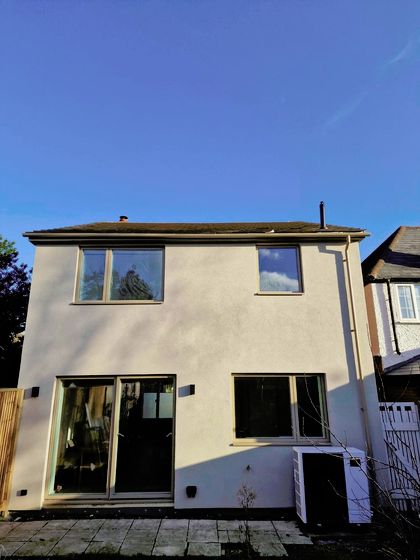
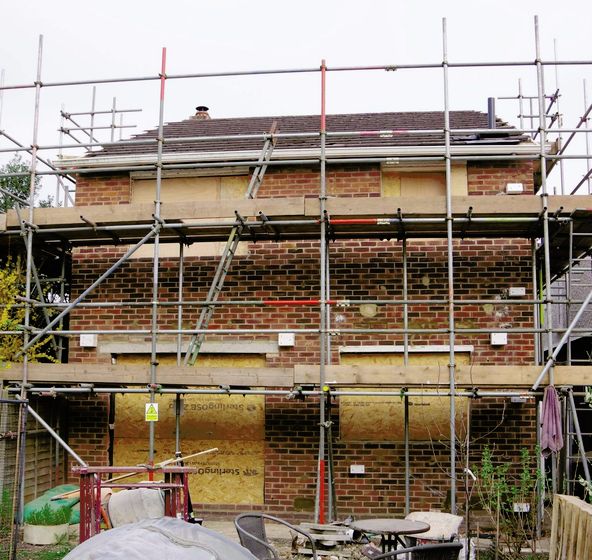
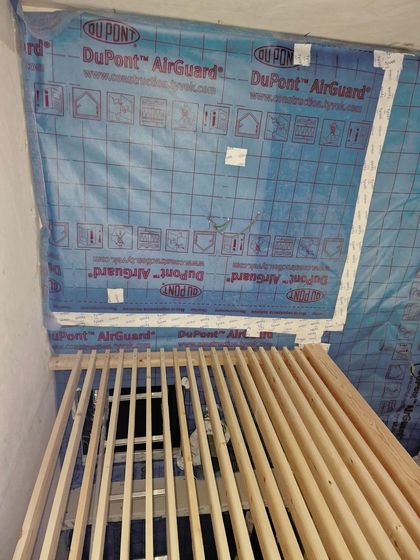
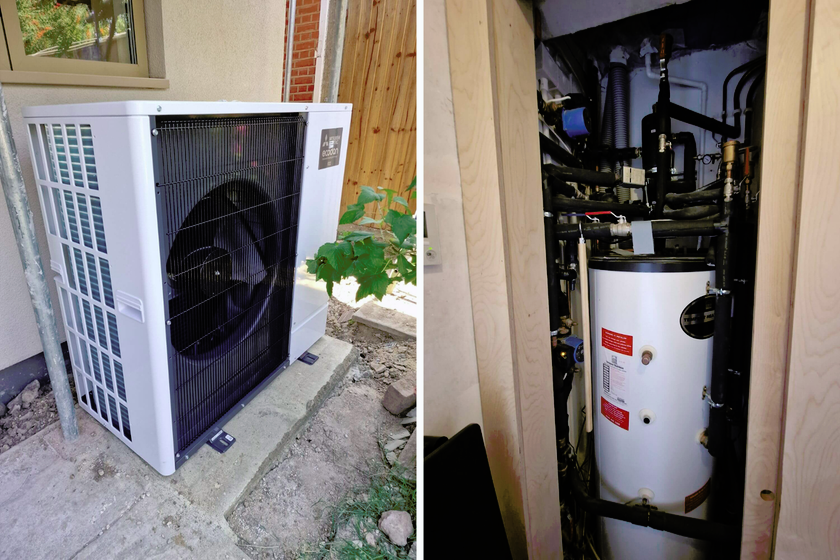
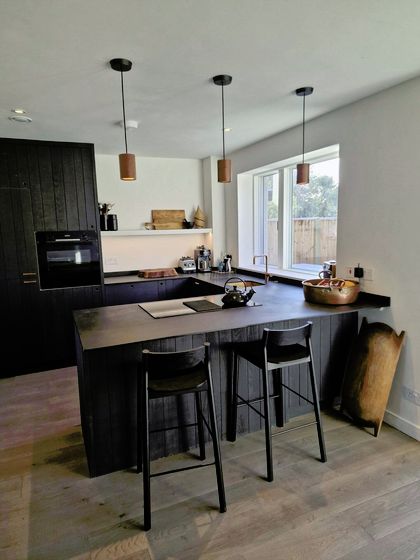
Real examples like this help clients see insulation and retrofit as improvements to their quality of life, not just technical upgrades.
To position yourself as a retrofit expert during your first site visit, integrate these three questions:
Approaching insulation through comfort, liveability and long-term performance allows builders to lead client conversations with confidence.
Thinking this way helps clients unlock their home’s potential, and helps you build stronger relationships, win better work and grow your retrofit capability over time.
Retrofit is a growing opportunity for builders who want to futureproof their business and raise standards in the industry. You can explore practical guidance and resources on the FMB website.

Is there an opportunity in retrofit for your construction business? We’re taking a look at why energy efficiency work can help to future-proof SME building firms and where to start.

Builders can now install certain energy efficiency products in homes and charge 0% VAT to clients - but which products and processes are included in the new scheme?

The FMB and CIOB joined forces in this webinar exploring market opportunities, government policies, challenges, and innovative financing solutions.
Interview originally printed in an edition of the FMB's Master Builder magazine in 2025.


