
Colder, wetter weather means we shut windows, dry clothes indoors, and run hot showers with less ventilation. Warm, moist air then hits cold surfaces and turns to water – cue mould and condensation on windows, ceilings and in cold corners. Left unchecked, it can damage finishes, exacerbate asthma and allergies, and mask more significant issues like water ingress and wet rot.
If you’ve bought a 'project house' or you’re planning an extension, conversion, or whole-home retrofit, this is the ideal time to get on top of it and enjoy a cosy, comfortable home for winter and beyond.
At a glance guide to damp
- Condensation or something more serious? Water on windows and mould in cold corners often point to condensation. Damp patches that worsen after rain could indicate water getting into your home.
- Start with simple changes. Use extractor fans, keep trickle vents open, move furniture away from cold walls and reduce moisture from cooking and drying clothes.
- Look for warning signs. Peeling paint, recurring mould, musty smells or rotting skirting boards can indicate a problem that needs further investigation.
- Don't just cover up damp. Repainting a damp wall or removing mould without addressing the source of moisture is unlikely to provide a lasting solution.
- Planning home improvements? Insulation, ventilation and weatherproofing should be considered together to help prevent damp and condensation problems.
Types of damp to look out for
Not all damp is the same, and treatment depends on the cause. A good builder can diagnose precisely what your damp issue is and advise on how to tackle it.
If you’re experiencing mould and condensation problems, contact one of our trusted, vetted, and inspected members today.
Condensation mould
If you notice excessive condensation on your windows overnight, it’s a good idea to check for mould, which appears as black or dark-coloured spots on window panes, in cold corners, and behind furniture. The immediate solution is to wipe it away with a proprietary bleach-based cleaning product. Make sure it doesn’t affect any wall finishings on a small, unobtrusive patch first.
Penetrating damp (external water ingress)
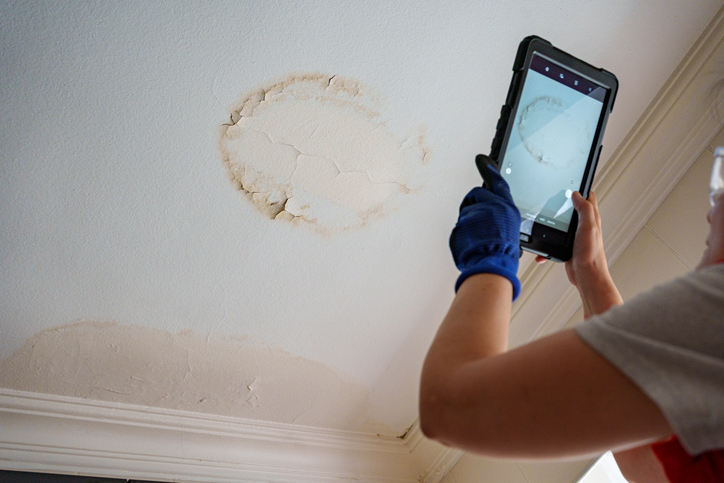
Localised damp patches that darken after rain, blistered paint, or spalled brickwork can be signs of penetrating damp. The likely sources of these patches are blocked gutters, failed pointing, cracked render, defective flashings, or leaking flat roofs.
Rising damp
White, salty deposits, tide marks, or skirting board rot on the ground floor can signify rising damp, or a bridged damp proof course (DPC). The horizontal DPC should be at least 150mm above the external ground level, and you need to use a vertical DPC where new walls meet old, to prevent lateral moisture transfer. If paving or soil has bridged the horizontal DPC, this could result in rising damp.
Leaks
Leaks present as rapid staining, musty smells, or dripping, and the typical causes are plumbing, appliance, or overflow faults.
Wet rot
Soft timbers and a strong aroma of mushrooms may indicate wet rot, and identifying its source should be undertaken before you initiate any treatment.
Five simple steps to reduce mould and condensation right now
These speedy solutions won’t cure structural problems, but they will reduce mould and condensation build-up while you plan bigger works.
- Ventilate: By using cooker hoods that vent outside, running bathroom extractors for half an hour after showers, and keeping window trickle vents open, you can reduce the amount of condensation in your home.
- Create airflow: Pulling furniture away from cold external walls and periodically opening internal doors increases the airflow and dries out any damp patches.
- Manage moisture: Put lids on pans, dry clothes outside or in a vented dryer, and use a dehumidifier in problem rooms. Aim for 50–60% relative humidity (a hygrometer, costing from around £10, helps).
- Balance the heat: Gentle, steady heating keeps surfaces warmer and cuts condensation spikes.
- Clean safely: Wipe small areas of mould with a detergent or bleach-based solution, then dry the area thoroughly. Avoid sanding mouldy surfaces, as the spores can easily be inhaled.
Plan renovation-grade fixes that last
If you’re extending, converting a loft, or refurbishing, retrofitting measures to tackle the root causes of damp and condensation are the ideal way to future-proof your home.
Upgrade ventilation
As part of a whole-house approach, consider upgrading or installing a ventilation system. Modern systems extract stale, moist air continuously (MEV) or recover heat while supplying fresh air (MVHR). They’re ideal for installation during refurbishments when duct runs can easily be concealed.
Extraction fans are a good idea for bathrooms, utility rooms, and kitchens. Many smart-enabled models have humidity/CO₂-sensing extractors with run-on timers.
Insulate and eliminate cold bridges
Warmer surfaces mean less condensation, so insulate lofts, sloping ceilings, and walls appropriately for their construction – consider cavity, internal, or external wall insulation.
Creating thermal breaks around steel beams in extensions, using insulated cavity closers at windows, and installing continuous insulation lines help avoid cold bridging at the eaves and floor edges.
High-performance windows
As part of your upgrade, fit double or triple glazing with warm-edge spacers and ensure internal reveals are insulated. The addition of trickle vents helps maintain a background level of ventilation.
Prevent external water ingress
There are several points to consider when preventing leaks and encroaching dampness.
- Roofing: Renew tired flat roofs with warm-roof build-ups and high-quality membranes, and check flashings and upstands
- Rainwater goods: Install oversized gutters/downpipes on extensions, add leaf guards, and design proper falls
- Walls: Repoint failing mortar and render with the correct mix, and replace perished sealants around frames and sills
Get the DPC details correct
To prevent damp rising up through the walls, you need to ensure the horizontal DPC is at least 150mm above the exterior ground level. Particularly in older properties, paths and patios may have built up over time covering the DPC. You can fix this by lowering paths or adding drainage channels to allow water to flow away.
Installing a vertical DPC where new walls meet old walls prevents any moisture from moving sideways.
Floors, sub-floors, and basements
When upgrading your property, floors, sub-floors, and basements require careful consideration to prevent damp and mould.
- Suspended timber floors: Clear existing air bricks and add new ones where necessary to maintain cross-ventilation and prevent sub-floor humidity and wet rot
- Solid floors/basements: Consider a proper tanking system and perimeter drainage where hydrostatic pressure is an issue. Paint-on solutions are often far less effective.
Materials that breathe
If you own an older property, use breathable plasters and paints, such as lime-based systems, so that incidental moisture diffuses rather than being trapped behind an impermeable finish.
Tackling mould and condensation is a two-stage job: stabilise the home now with good habits and targeted maintenance, then use your renovation or extension to solve the root causes. Diagnose first, ventilate and insulate smartly, and you’ll protect your finishes, your health and the long-term value of your home.
What to ask your builder or designer
Depending on the type of property upgrade you’re planning, there are several questions to ask your builder, such as:
- What’s the likely mix of condensation vs water ingress here?
- How will the extension detail a continuous DPC and incorporate a vertical DPC at abutments?
- Where are the main thermal bridges, and how will insulation and airtightness details remove them?
- Which whole-house ventilation approach suits our layout and plans?
- How will roof drainage and ground levels be redesigned to protect the envelope?
- What are the maintenance points we’ll need to keep clear (gullies, gutters, air bricks)?
Frequently asked questions about damp, mould and condensation
Is condensation on windows normal in winter?
Some condensation on the inside of windows is common during colder weather, particularly first thing in the morning. However, if water regularly pools on windowsills, mould develops around frames or condensation persists throughout the day, it may indicate a problem with ventilation or insulation. Condensation between the panes of double glazing usually means the sealed unit has failed.
How do I know if damp is caused by condensation or a leak?
Look at where and when the damp appears. Condensation often affects cold surfaces, corners and areas behind furniture. Damp patches that become worse after heavy rain may indicate problems with roofing, gutters or external walls. A localised patch near plumbing could suggest a leak. These are clues rather than a diagnosis, so persistent damp should be investigated by a professional.
Why does mould keep coming back after cleaning?
Mould usually returns when the conditions that caused it haven't changed. Cleaning removes visible mould but doesn't necessarily deal with excess moisture, cold surfaces or water getting into the building. If mould repeatedly appears in the same place, investigate the underlying cause rather than relying on repeated cleaning or repainting.
Can installing insulation make damp or condensation worse?
If you don't plan insulation work carefully, it can sometimes create moisture problems, or make existing damp issues worse - particularly if ventilation is reduced or existing damp isn't addressed. Insulation should keep internal surfaces warmer, but it needs to be suitable for the property and installed correctly. If you're upgrading your home's insulation, ask your installer how ventilation and moisture will be managed.
When should I get professional help with damp or mould?
Get professional advice if damp patches are spreading, if mould keeps returning despite improvements to ventilation, or if you notice signs of water damage or rotting timber. A suitably experienced builder or damp specialist can help identify the cause and recommend appropriate repairs. Getting the problem diagnosed with a damp survey before paying for treatment can help you avoid unnecessary work.
Find trusted local builders that can offer a damp survey near you →