Working outside is part of the job for many builders. But when the sun is strong, it brings more than discomfort. Too much sun exposure can lead to sunburn, dehydration, heat-related illness, and long-term skin damage, including skin cancer.
For small and medium-sized building firms, sun safety can be easy to overlook. You may be moving between jobs, managing subcontractors, working to tight deadlines, or trying to keep a project on track during a short spell of good weather. But if you or your team are spending long periods outdoors, sun exposure should be treated like any other site risk.
The Health and Safety Executive (HSE) says outdoor workers, including construction workers, can be exposed to more sun than is healthy. It also warns that even mild reddening of the skin is a sign of damage, while longer-term overexposure can increase the chance of developing skin cancer.
This guide explains what SME builders can do to protect themselves, their employees and subcontractors working alongside them on sunny days.
The bottom line on sun safety in building
- Builders can receive up to ten times more UV exposure than indoor workers.
- Sun safety should be treated as a site risk alongside other health and safety hazards.
- Wear lightweight clothing that covers exposed skin.
- Use SPF 30+ sunscreen on exposed areas and reapply regularly.
- Provide shade and drinking water on site.
- Plan outdoor work to avoid the strongest sun where possible.
- Watch for signs of dehydration, heat-related illness and skin changes.
Why sun safety matters in building
Building work often means long hours outside, physical labour, and limited shade. Roofers, bricklayers, landscapers, groundworkers, plasterers, scaffolders, general builders, and labourers may all spend large parts of the day exposed to ultraviolet (UV) rays – up to ten times more than indoor workers.
However, the risk is not just on hot, sunny days. UV rays can still damage your skin when it feels breezy, cloudy, or mild. What people sometimes call “wind burn” on cloudy days is often UV damage from rays filtering through cloud cover.
Member story: Melanoma diagnosis
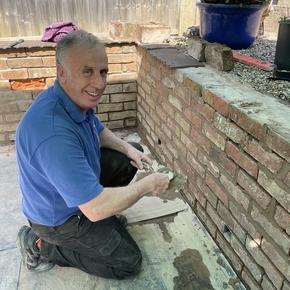
Robert Jones, Director of FMB members Cartref Building Restoration Services Limited, knows this risk first-hand. After 40 years in the trade, he was diagnosed with malignant melanoma on his face. What started as a small dark freckle became darker, raised, and eventually required major facial surgery. Reflecting on his diagnosis, Robert said years of working outside had caught up with him.
His message to other builders is simple: protect yourself now, not once something has gone wrong.
Who is most at risk?
Anyone working outdoors can be affected by sun exposure, regardless of their skin colour. HSE says people of all skin colours should take care to avoid eye damage, overheating and dehydration.
Some people are at higher risk of skin damage from UV exposure, including those with:
- Fair or freckled skin that burns before it tans
- Red or fair hair and light-coloured eyes
- A large number of moles
But it is important not to think of sun safety as something only fair-skinned workers need to worry about. Sun exposure, heat and dehydration can affect everyone on site.
Your legal responsibilities as a builder or employer
Employers have a legal duty to protect the health, safety and welfare of their employees, as far as is reasonably practicable. For builders and construction firms, that includes considering risks from outdoor work, such as UV exposure, heat, and dehydration.
There is no specific legal requirement for employers to provide suncream or sunglasses, but HSE encourages employers of outdoor workers to include sun protection advice in routine health and safety training. It also advises practical steps such as staying covered, seeking shade, taking breaks, drinking water, and using high-factor sunscreen on exposed skin.
For SME builders, this means sun safety should be part of normal site planning. If employees or subcontractors are working outdoors in strong sunlight or hot weather, consider how the work can be managed safely.
This could include rescheduling exposed tasks, providing shaded rest areas, making drinking water readily available, reminding workers to cover up, and ensuring everyone knows what to do if they feel unwell.
What should a sun safety policy include?
For a small building firm, a sun safety policy does not need to be long or complicated. It should be practical enough to use on real jobs.
A simple policy could cover:
- When sun safety controls should be considered
- How work is planned during hot or sunny weather
- Expectations around clothing, hard hats, neck protection and sunscreen
- Provision for water and shade
- How subcontractors are briefed
- What workers should do if they feel unwell
- How managers or supervisors will check the plan is being followed
- Reminders to check skin changes and seek medical advice
Practical sun safety steps for building sites
FMB’s Health and Safety expert and Head of Inspections, Jeremy Holehouse, gives his top tips for sun safety.
1. Plan outdoor work around the strongest sun where possible
The middle of the day is often when UV exposure and heat are at their highest. Where the job allows, schedule the most exposed or physically demanding tasks earlier in the morning or later in the afternoon.
This will not always be possible. Weather, client access, deliveries, noise restrictions, and subcontractor availability can all affect the programme. But even small changes can help, such as doing roof, paving, or groundworks earlier in the day and moving indoor or shaded tasks to hotter periods.
Dorian Bowen of FMB member Project One Design and Management Limited said his team starts earlier on very hot days, stays hydrated and takes shade breaks, adding that keeping the crew safe and cool is always the top job.
2. Keep tops on, even when it feels hot
It can be tempting to take your shirt off when you are hot, but exposed skin burns quickly. The advice to outdoor workers is clear: keep your top on.
Lightweight, loose-fitting clothing can help protect the skin while still allowing you to work comfortably. Long sleeves, breathable fabrics, and clothing that covers the shoulders and back of the neck can make a real difference.
A review of site rules or uniform expectations may be necessary to ensure workers know that sun protection is part of safe working, not an optional extra.
3. Wear a helmet that shades the face and neck
Hard hats are essential on many sites, but they do not always protect the ears, face, or back of the neck from the sun. HSE recommends wearing a hat with a brim or flap that covers the ears and back of the neck.
Compatible neck shades or sun-protection attachments designed for safety helmets are readily available. Any add-on should be suitable for the task and not interfere with the helmet's protective function.
Robert Jones now recommends wearing protective headwear and using shade wherever possible after his melanoma diagnosis.
4. Use sunscreen properly
Sunscreen is not a substitute for clothing and shade, but it is an important part of sun protection for exposed skin.
The recommendation is to use high-factor sunscreen with SPF 30 or higher on exposed skin.
For building work, sunscreen needs to be practical. It should be available on-site, easy to reapply, and suitable for sweaty, dusty work. Encourage workers to apply it before they start outside and to reapply during the day, especially if they are sweating heavily or wiping their face and neck.
Areas that are easy to miss include:
- Ears
- Back of the neck
- Scalp or hairline
- Nose and cheeks
- Forearms and hands
- Back of legs if wearing shorts
5. Create areas of shade for breaks
Shade is one of the simplest ways to reduce sun exposure. Outdoor workers should try to stay in the shade whenever possible, especially during breaks and at lunchtime.
On a small building site, shade does not have to be complicated. Depending on the job, it could include:
- A gazebo or temporary shelter
- Shaded rest area
- Vehicle shade for breaks
- Using existing shade from buildings, scaffolding, or hoarding
Robert Jones said that since his diagnosis, he uses a gazebo even for smaller outdoor jobs where possible to keep the sun off him.
6. Make water breaks part of the job
Dehydration can creep up quickly during physical work, and drinking plenty of water can help prevent it.
For SME builders, this means making water easy to access, not something people have to go searching for. On hot days, build water breaks into the rhythm of the job, especially for labour-intensive tasks such as lifting, digging, roofing, or carrying materials.
Watch out for signs that someone may be struggling, such as dizziness, headache, confusion, nausea, cramps, excessive tiredness, or stopping sweating in hot conditions. If someone seems unwell, stop work and seek medical advice where needed.
7. Protect your eyes
Sun exposure can affect the eyes as well as the skin.
On site, sunglasses need to be suitable for the work being done. Where eye protection is required, use safety eyewear that offers UV protection and meets the relevant safety standard for the task. Regular sunglasses may not be suitable for construction work if they lack impact protection.
8. Talk to subcontractors before the day starts
Sun safety should not stop with your direct employees. If subcontractors are working with you, especially on exposed tasks, make sure everyone understands the plan.
A quick morning conversation can cover:
- Where drinking water is available
- Where breaks can be taken in the shade
- Whether the day’s work can be reordered to avoid the strongest sun
- Whether PPE or clothing needs adjusting for hot weather
- Who to speak to if someone feels unwell
- Expectations around keeping covered and using sunscreen
This is especially useful on domestic jobs where site arrangements are informal, and facilities vary from project to project.
9. Keep an eye on skin changes
Skin cancer is often treatable when detected early, so workers should not ignore changes to moles, freckles, or patches of skin. Encourage them to check for changes.
HSE advises outdoor workers to check their skin regularly for unusual moles or spots and to see a doctor promptly if anything changes in shape, size, or colour, or if it itches or bleeds.
Robert Jones’ melanoma began as a small dark freckle on his face, which changed over time. His experience is a reminder not to shrug off changes as 'just part of getting older' or 'just a mark from work'.
Sun safety checklist for SME builders
Before outdoor work starts on a sunny or hot day, ask:
- Can the most exposed work be done earlier or later in the day?
- Is there shade for breaks?
- Is drinking water easy to access?
- Has everyone been reminded to keep covered?
- Is sunscreen available for exposed skin?
- Are hats, helmet shades or neck protection suitable for the task?
- Are subcontractors included in the plan?
- Does everyone know what to do if someone feels unwell?
- Have workers been reminded to check for any changes in moles or skin marks?
Sun safety is not about slowing the job down
When you are trying to keep a project moving, sun safety can feel like another thing to manage. But the basics are straightforward: cover up, use shade, drink water, use sunscreen, avoid the strongest sun where possible and take skin changes seriously.
For builders, this is about protecting both your livelihood and your health. For employers, it is about looking after your team and anyone working alongside you. And for subcontractors, it is about ensuring short-term work does not cause long-term damage.
As Robert Jones put it after his melanoma diagnosis, builders can think they are invincible – but they are not.
Frequently asked questions about sun safety for builders
Do builders need sunscreen at work?
While there is no legal requirement for employers to provide sunscreen, the HSE recommends outdoor workers use SPF 30+ sunscreen on exposed skin.
Can builders get sunburn on cloudy days?
Yes, up to 80% of UV rays pass through cloud cover. Builders often let their guard down when it's overcast or breezy, but skin damage happens from ultraviolet radiation, not heat. If the UV index is 3 or above, protection is needed regardless of cloud cover.
What SPF should builders use?
Builders should use SPF 30 or higher with a 4 or 5-star UVA rating. For outdoor trades, standard sunscreen isn't enough; it needs to be water-and sweat-resistant, applied 20 minutes before going outside, and reapplied frequently – e.g. every two hours (more frequently if they are sweating heavily).
Is sun safety part of construction health and safety?
Yes. Employers have a duty to protect workers from foreseeable risks and introduce controls, such as scheduling heavy outdoor tasks during cooler hours, providing shaded break areas, and training staff on UV risks.
Can working outdoors cause skin cancer?
Long-term exposure to UV radiation increases the risk of developing skin cancer. In the UK, skin cancer is one of the most common work-related cancers for outdoor trades and construction workers account for 44% of deaths from melanoma – the highest number of all occupations. Fortunately, it is also one of the most preventable with the right site policies.
Join for business support
Become a member of the FMB and get access to advice, dedicated support, and a community built for professional builders.