
A two-storey home extension is one of the most effective ways to add valuable space to a property. By extending both floors at once, homeowners can gain extra bedrooms, bathrooms, and living space while keeping their garden footprint essentially unchanged.
Rising house prices, higher mortgage rates and stamp duty costs mean more homeowners are choosing to extend rather than move. Two-storey extensions are increasingly popular because they generally deliver better value per square metre than single-storey builds.
How much does a two-storey extension cost in the UK?
For a two-floor extension, costs typically range from £1,000 to £2,500 per square metre. The costs depend on property location, with London and the South East usually costing more, the materials chosen, and the design complexity. Larger extensions, premium finishes, and more structurally complex builds will be more expensive.
Alongside build costs, it’s also important to budget for planning fees, architectural drawings and any necessary structural alterations to the existing property.
Adding a bedroom above an existing kitchen extension are a popular option - mainly because foundations and services are already in place. These factors make it a cost effective solution for achieving a larger property. However, a two-storey extension with both floors built at the same time is even more budget-savvy.
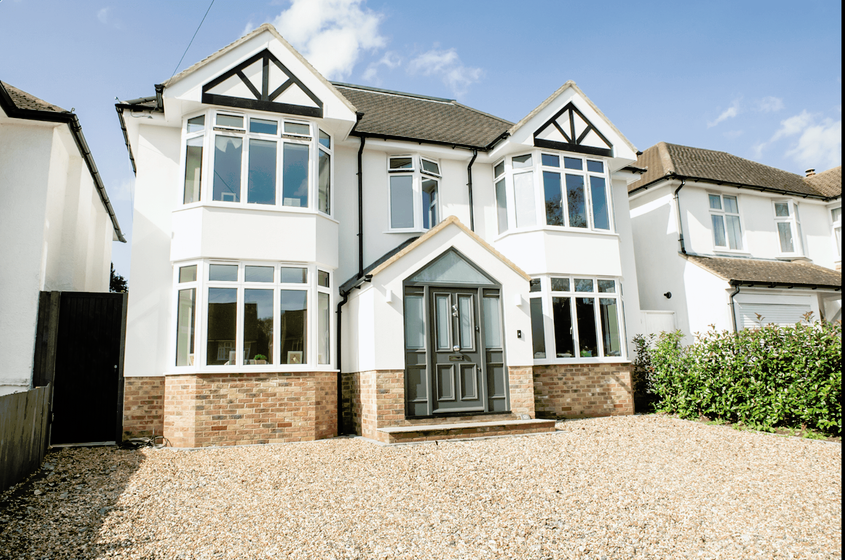
After - Two-storey extension
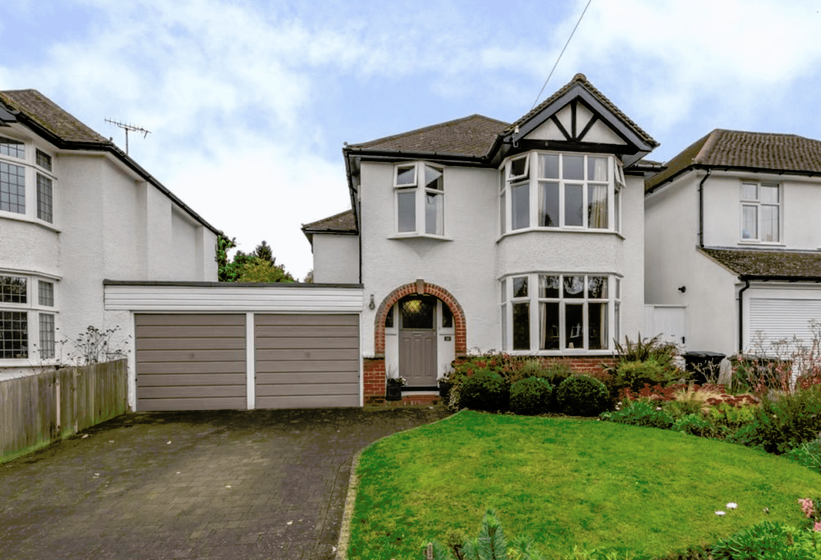
Before - Two-storey extension
Cost per square metre: single vs two-storey
One of the biggest advantages of building upwards is cost efficiency:
- Single-storey extension: Costs around £1,500–£2,000 per m² due, mainly, to the foundations and roofing.
- Two-storey extension: Costs around £1,000 to £2,500 per m² because the same groundwork at a single story supports double the space.
In simple terms, a two-storey extension can deliver double the space for a similar cost per square metre, or less. However, the cost of reconfiguring rooms and adding rolled steel joists (RSJ) to support existing external walls can increase the cost.
Does a two-storey extension require planning permission in 2026?
In many cases, a two-storey rear extension to a house can be carried out under permitted development rights, so formal planning permission is not usually required. That said, the proposal must comply with specific rules and size limits.
- The height of the extension must not be greater than the existing property, including both the eaves and the roof pitch. Where the extension is within two metres of a boundary, the eaves height cannot exceed three metres.
- The extension may project up to three metres from the original rear wall, provided there is at least seven metres between the extension and the rear boundary. In addition, all extensions, sheds, and outbuildings combined must not cover more than half of the total land surrounding the original house.
- Any materials used should closely match the appearance of the existing building to maintain a consistent look.
- If you plan to install a window on an upper-floor side elevation, it must use obscured glass and be fixed shut, unless the opening is positioned at least 1.7 metres above the internal floor level.
Planning permission is required for any larger two-storey extension, or if it's to be located to the side or front of the original property. Approval will depend on several factors assessed by the local authority.
For a two-storey extension, it is strongly recommended to appoint an architect. Their professional input can help maximise the potential of the space while ensuring the design meets all relevant regulations.
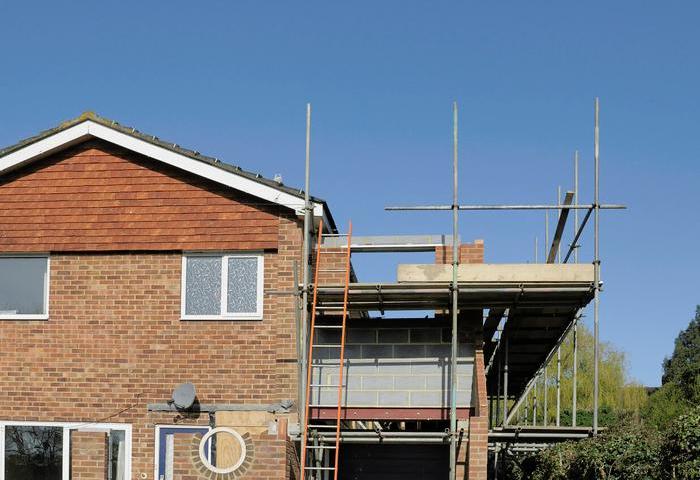
How much value does a two-storey extension add to a UK home?
A two-storey extension can significantly increase a property's value – especially when it adds usable floor space, such as bedrooms and bathrooms, which are highly attractive to buyers.
Research by Nationwide suggests that adding floor area through an extension can increase property value by up to 25%. That reflects how extra space and additional rooms improve both function and market appeal.
Nationwide’s data shows that improvements that increase overall floor area, such as a two-storey extension, are one of the most effective ways to boost value.
Industry consensus shows that family homes benefit most when extensions increase the bedroom count rather than just enlarge kitchens, and that adding a bedroom and bathroom upstairs often delivers the most substantial return.
Two-storey extension vs moving house: which is cheaper?
Whether to move or extend is one of the most significant decisions many homeowners face, and in 2026, the financial landscape makes this trade-off particularly relevant. Extensions can be expensive, but moving house comes with high transaction costs that quickly add up.
Moneyweek suggests that the average moving process can cost around £1,800, covering stamp duty, legal fees, removal charges, surveys, and estate agent fees. However, for larger, more expensive properties in desirable areas, stamp duty can significantly increase the costs. In London, for example, the cost to buy a new home can exceed £32,000.
While building work isn’t cheap, extending your home tends to be a more predictable and controllable investment than selling and buying another home.
Why extending can be more cost effective
Over 50% of homeowners decide to extend their property rather than moving home, according to The Independent, due to a combination of financial, practical and emotional advantages:
- Avoiding moving costs: Extending helps homeowners sidestep stamp duty, estate agent fees, legal costs and removal expenses, which can easily run into tens of thousands of pounds.
- Staying in a location they love: Many people are attached to their neighbourhood, schools, transport links, or community and would rather improve their home than start again elsewhere.
- Getting precisely the space they need: An extension allows homeowners to design rooms around their lifestyle – whether that’s extra bedrooms, a larger kitchen or a home office – rather than compromising on what’s available on the market.
- Adding value while investing in the home: A well-designed extension can increase property value, meaning the money spent improves both day-to-day living and long-term equity.
- Less disruption than moving: While building work can be disruptive, it’s often seen as less stressful than selling, buying and relocating an entire household.
- Flexibility over time: Extensions can be phased or tailored to a budget, giving homeowners more control over costs compared to the fixed expense of buying a larger property.
For many households, extending offers a way to adapt their home to changing needs without giving up the benefits of where they already live.
Is a two-storey extension right for your home?
A two-storey extension can be a great option if you need significant extra space and want to make the most of your existing plot, but it isn’t right for every home. They are best suited to homes where:
- Garden space is limited
- Additional bedrooms are needed
- Long-term value is a priority
Other types of extensions are possible, such as side extensions if your property is semi-detached, or single-storey, where it’s not possible to build up.
A two-storey extension requires more planning, structural work, and coordination than a single-storey build, which is why choosing the right builder matters.
Why choose a Master Builder for your two-storey extension?
Finding a trusted builder with the right experience to build your extension can make or break the project. This is especially important for two-storey extensions, which involve a greater degree of structural engineering, planning compliance and multi-trade coordination. Enter your postcode below and view and get in touch with local FMB members.
All our members are:
- Vetted before they can join the FMB - we check their background so you know they're reputable.
- Inspected for the trades listed on their profile - they can do the job to a high standard.
- Able to offer you a contract - for peace of mind.
They also agree to abide by our Code of Conduct - meaning they offer a professional experience from start to finish. Click below to get started today.
Two-storey extensions remain one of the smartest ways to future-proof a home. They offer better space efficiency, stronger resale value and often cost far less than moving house.
Last updated: 7 January 2026.