FMB welcomes the Government’s crackdown on ‘cowboy builders’ but calls for compulsory licensing to provide stronger protection for consumers and reputable builders.
The FMB sets out why domestic building needs clearer competence standards, proportionate licensing and stronger skills support to improve trust and quality across the sector.
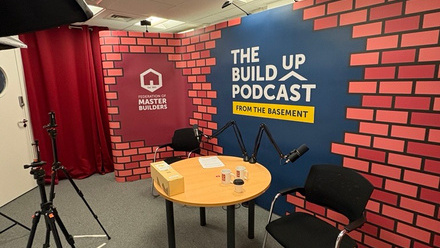
MP Tom Gordon warns there is a "clear systematic failure of the system" to protect people from cowboy builders, on the latest episode of the Build Up: From the Basement podcast
We're celebrating ten years of our Primary Authority Partnership with Hertfordshire Trading Standards – a collaboration that has helped strengthen standards across the construction industry, crack down on rogue traders, and give homeowners greater confidence when choosing an FMB member.
The FMB has welcomed a new Citizens Advice report backing its call for mandatory licensing of builders, reinforcing the need for stronger consumer protection against rogue traders.
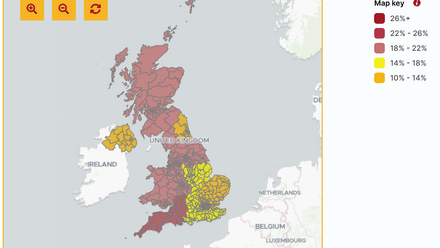
New constituency-level research from the FMB uncovers the financial impact of rogue builders across Essex, with homeowners losing an estimated £448 million over five years.
South West homeowners have lost nearly £500 million to rogue and unqualified builders in the past five years, with 1 in 12 households affected, according to new FMB research. The federation is urging the Government to introduce a mandatory Licence to Build scheme to protect consumers.
Two-thirds of UK homeowners are dipping into savings or investments to pay for essential building work – while almost a quarter are forced to borrow or use credit
New research shows young homeowners are increasingly choosing builders the same way they shop online – relying on reviews, comparison platforms and branding rather than traditional vetting checks - putting them at risk of choosing an unqualified and untrustworthy builder.
A lack of consumer confidence is holding back domestic building projects, as one in five households are put off from hiring builders costing the economy £11.2 billion each year
FMB welcomes the Government’s crackdown on ‘cowboy builders’ but calls for compulsory licensing to provide stronger protection for consumers and reputable builders.
The FMB sets out why domestic building needs clearer competence standards, proportionate licensing and stronger skills support to improve trust and quality across the sector.
MP Tom Gordon warns there is a "clear systematic failure of the system" to protect people from cowboy builders, on the latest episode of the Build Up: From the Basement podcast
We're celebrating ten years of our Primary Authority Partnership with Hertfordshire Trading Standards – a collaboration that has helped strengthen standards across the construction industry, crack down on rogue traders, and give homeowners greater confidence when choosing an FMB member.
The FMB has welcomed a new Citizens Advice report backing its call for mandatory licensing of builders, reinforcing the need for stronger consumer protection against rogue traders.
New constituency-level research from the FMB uncovers the financial impact of rogue builders across Essex, with homeowners losing an estimated £448 million over five years.
South West homeowners have lost nearly £500 million to rogue and unqualified builders in the past five years, with 1 in 12 households affected, according to new FMB research. The federation is urging the Government to introduce a mandatory Licence to Build scheme to protect consumers.
Two-thirds of UK homeowners are dipping into savings or investments to pay for essential building work – while almost a quarter are forced to borrow or use credit
New research shows young homeowners are increasingly choosing builders the same way they shop online – relying on reviews, comparison platforms and branding rather than traditional vetting checks - putting them at risk of choosing an unqualified and untrustworthy builder.
A lack of consumer confidence is holding back domestic building projects, as one in five households are put off from hiring builders costing the economy £11.2 billion each year