Running a building business isn’t just about the practical, on-site work; having a clear roadmap for business growth and success is a key component. A business plan will help you set goals, track progress, and make better decisions, keeping your business focused and on track, whether you are starting or looking to grow.


Why you should use a business plan

A well-drafted business plan gives your company a clear sense of direction, defining where you want to go and how you’ll get there – winning more local contracts, expanding your team, or focusing on higher-value projects. Following a plan will help you reach those goals.

To ensure you stay on top of your finances, include anticipated costs and expenses in your plan, allowing you to make confident decisions and present a strong case to lenders or investors when applying for loans or grants.

Deciding on your pricing strategy, marketing plans, and business goals makes it easier to make informed choices and spot potential risks before they become costly problems. You’ll also gain clarity on the type of clients and projects that suit your business best, so you can focus your efforts where they’ll be most profitable.

Most importantly, a business plan is a living document – a dynamic, regularly reviewed and updated tool that evolves as your goals are met and your company grows.

Read how FMB member Pete Bird, from Pete Bird Kitchens and Bathrooms, focuses on knowing his ‘why’ and makes time to step back, plan and protect his business.

Builder planning at kitchen table.jpg
 

What to include in a business plan

Business plans generally follow a recognised structure, but they don’t have to be complicated or full of jargon. For builders, they should be practical, focused, and straightforward.

Executive summary

Your executive summary should give a clear, concise snapshot of your business. Summarise who you are and what your company does, highlighting your primary services, target customers, and key achievements to date.

Ensure you outline your top goals for the next one to three years, increasing turnover, expanding your team, or taking on larger projects, for example.

Business overview

Your overview sets the scene for the rest of your business plan. It explains your company’s essential details – who owns it, where you’re based, and the type of work you do. It’s your chance to show what your company looks like today and lay the groundwork for how you plan to grow.

Your business overview should include:

  • Your company name, ownership, and structure
  • Location and area of operation
  • Brief history of why and how your company started
  • Services offered (e.g. extensions, new builds, or refurbishments)

Vision and goals

Your vision and goals section describes what you want your business to achieve and where you see it going in the future.

Start by outlining your overall vision and the bigger picture of what you want your building company to become. This could include being the most trusted local contractor, a respected specialist in a particular field, such as heritage projects, or a growing firm with a strong reputation for quality.

Break this vision down into specific goals, with short-term goals focusing on the next 12 months. For example, you may see investment in staff or new equipment as a priority over the forthcoming year, or it could fit into your longer-term plan, with increased turnover having to come first.

Your long-term goals, spanning three to five years, outline your broader ambitions. This may include expanding into new areas, either location- or project-wise or building a more established brand by taking on larger projects.

Setting clear, realistic goals helps you stay motivated and measure your progress as your business develops.

Business plan - post it notes (1).jpg
 

Understand your customers and competitors

Understanding the environment your business operates in and the customers you want to attract is a crucial part of your business plan.

Define who your current customers are – homeowners seeking renovations or extensions, developers with new housing projects, or ongoing commercial clients requiring regular maintenance. Consider what they value most. Is it your reliability, competitive pricing, or high-quality workmanship, for example? 

Understanding local trends and opportunities helps you position your business effectively and make informed decisions about where to focus your efforts. Are there plans for new housing developments, or is demand growing for eco-friendly building methods or energy-efficient homes? If so, include these in your business plan, and consider how your business can get on board.

Finally, ask yourself what sets you apart from your main competitors. Your experience, customer service, or any specialisms could help you stand out and show potential clients why they should choose your company over others.

Marketing and sales plan

This section covers how you plan to attract new clients, win projects, and keep customers returning, such as:

  • Having a professional website with clear examples of your work and client testimonials
  • Word-of-mouth recommendations from satisfied customers
  • Using social media, such as Facebook or Instagram, to showcase projects
  • Local advertising or listings on trade directories and community sites
  • Partnerships with architects, estate agents, or developers who can refer clients

Follow this by describing your pricing approach. Explain how you set your rates – competitive within your market, priced to deliver a premium service, or based on value and quality. Be clear about how you ensure quotes are accurate, transparent, and profitable.

Lastly, consider how you’ll retain repeat business and referrals. This might include keeping in touch with past clients, offering loyalty discounts, or asking for reviews and testimonials to help build your reputation. Providing an excellent service and consistent communication are keys to long-term growth and a steady flow of quality work.

Builder in office planning operations.jpg
 

Operations plan

This section of your business plan outlines how your company runs on a day-to-day basis, and covers the people, processes, and resources that keep your projects moving smoothly and safely. You should include:

  • Team structure and key roles: Who’s responsible for managing projects, handling finances, and overseeing site work? For sole traders, outline how you manage the different aspects of the business, not forgetting any part-time or seasonal help.
  • Subcontractors and suppliers: Include the trusted trades or specialists you work with regularly, e.g. electricians, plumbers, or roofers, as well as your materials and equipment suppliers.
  • Tools, equipment, and vehicles: List the tools, equipment, and vehicles your business relies on.
  • Health and safety procedures: Explain your compliance with regulations and how you manage on-site risks and safety measures. This could include training, regular safety checks, risk assessments, and proper use of protective equipment.

Read how to get started with AI tech tools, even if you're not tech savvy, to help you streamline your business.

Financial plan

Your financial plan sets out the numbers behind your business. It shows how you’ll manage costs, maintain profitability, and ensure a healthy cash flow.

Start by outlining your start-up or running costs. Include everything it takes to keep your business operating, such as:

  • Tools, equipment, and vehicle costs
  • Materials and supplier expenses
  • Wages, subcontractor payments, and insurance
  • Office or storage space, fuel, and other overheads

Explain your pricing and profit margins by describing how your prices remain competitive while still making a profit that suits your plans – in labour, materials, and time, so that every job is priced accurately and sustainably. Include your expected income and outgoings to help you plan for quiet periods and ensure your expenses are covered.

Finally, if you need additional financial support, outline any funding requirements. This includes loans or grants for training existing or new employees, or any necessary equipment. 

Risk management

By outlining potential challenges and how you plan to overcome them, you show you’ve considered all eventualities, from labour shortages and rising material costs to weather delays and equipment breakdowns.

Your contingency plans could include keeping a financial buffer for unexpected costs, maintaining strong relationships with multiple suppliers, or adjusting schedules to account for delays. Also, consider your , ensuring you have protection for your employees, clients, and the work you do. Taking a proactive approach to risk management keeps your company resilient, professional, and ready for whatever comes your way.

Reviewing and updating your business plan

Once you’ve drafted a business plan, set aside time to review your plan every quarter or at least annually by updating your goals, finances, and strategies to reflect any changes in your business or the market. Keeping your plan current helps you stay focused and adapt quickly to new opportunities or challenges.


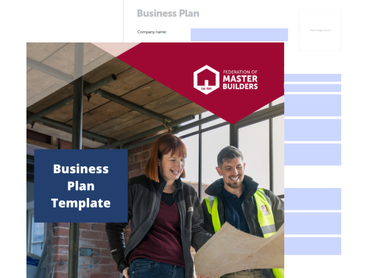
Download your free business plan template


Related topics